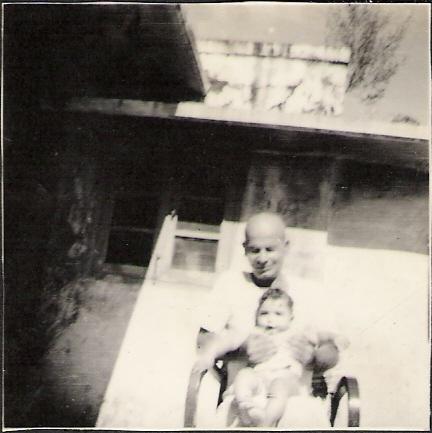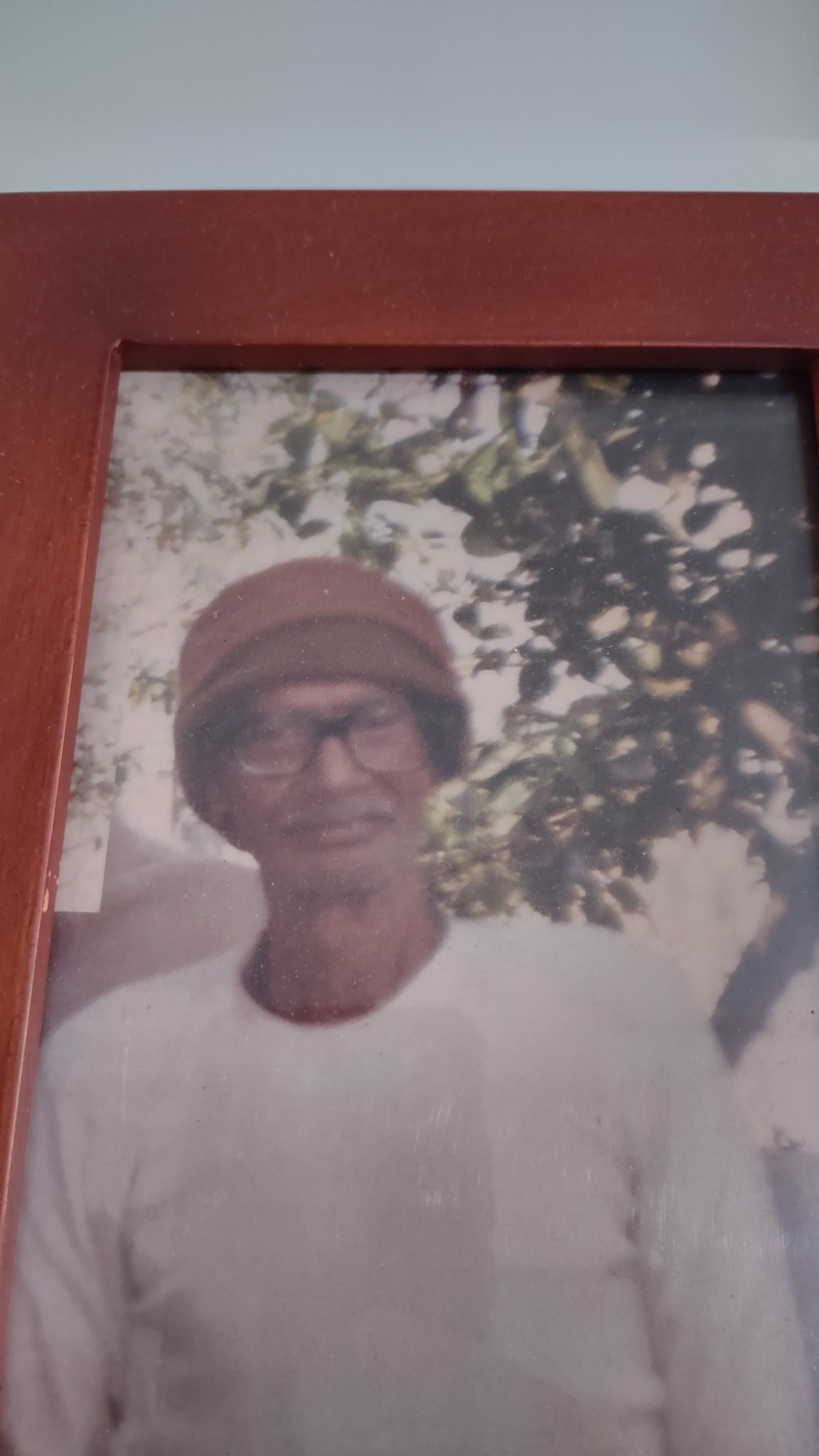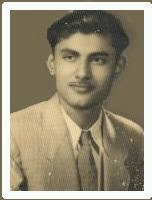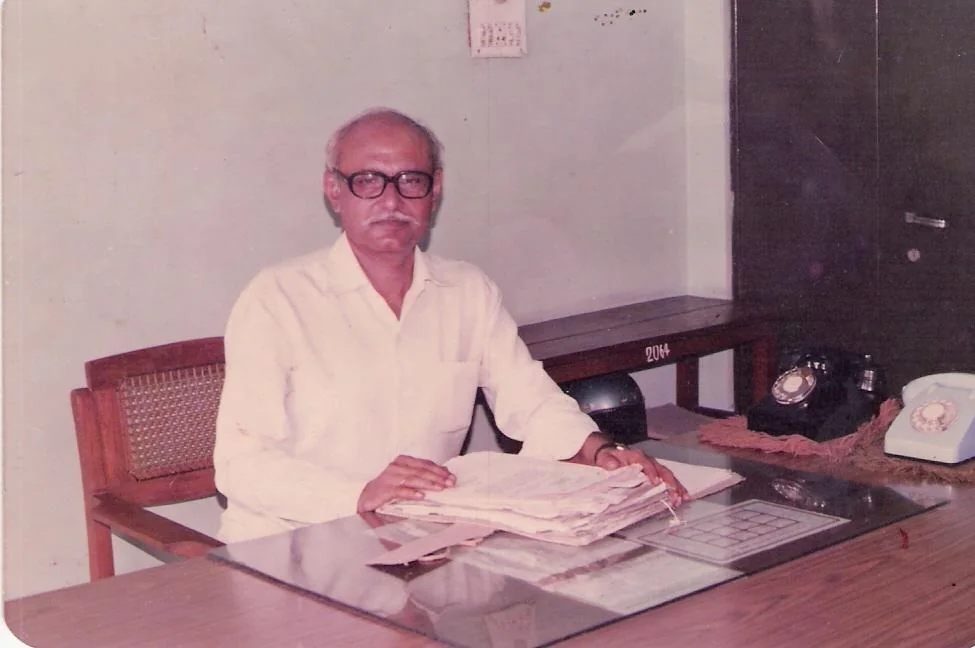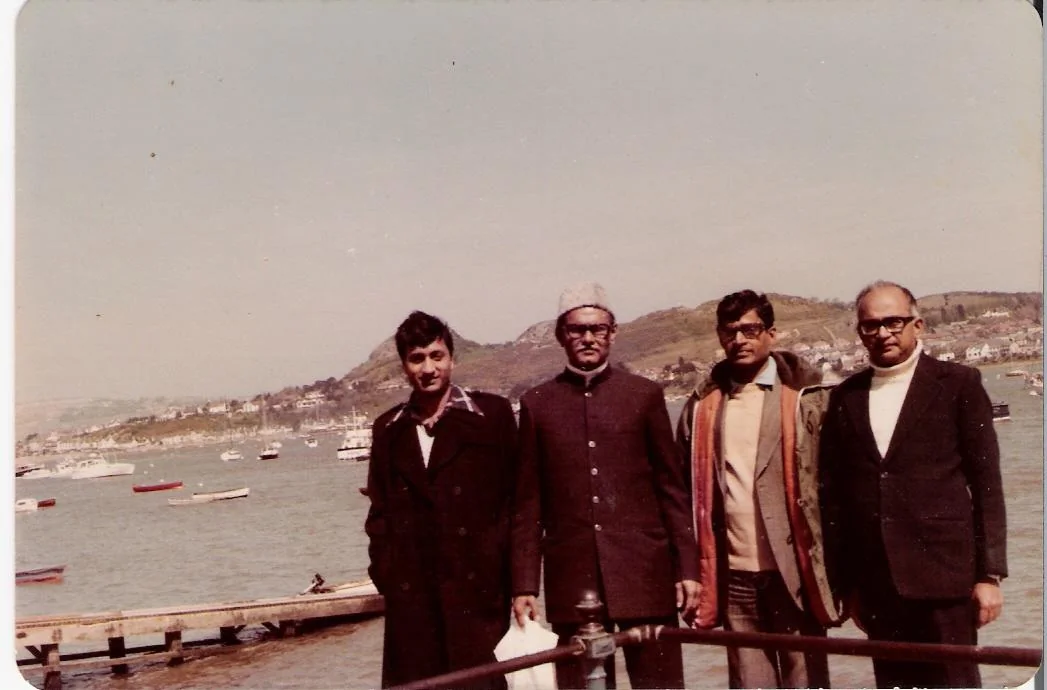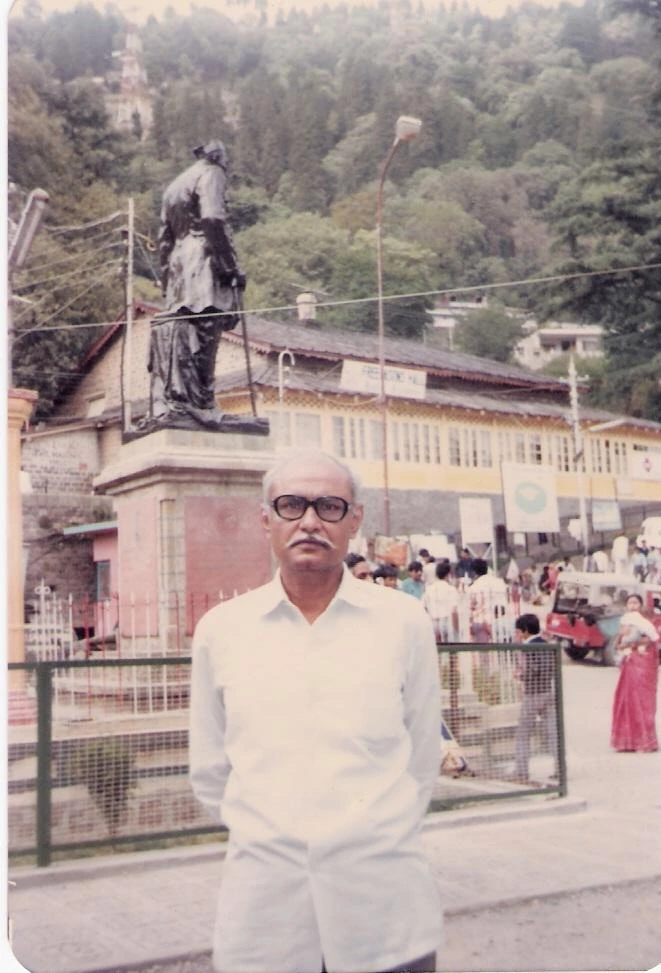
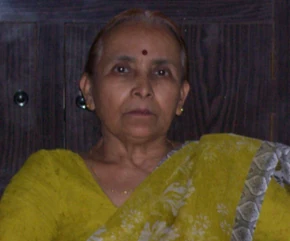
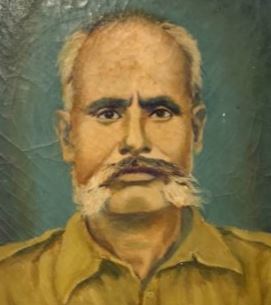
SC Portrait to be added

A life remembered · A legacy continued

Preserving the past.
Inspiring the future.

The life, values, memories and journey of Sadhu Charan Singh — a story shaped by humble beginnings, perseverance, learning, service and family.

Born 28 July 1934 · Shillong · Roots in Bahuara
A person's greatest achievement is not measured only by what he gathers, but by what he leaves behind in the lives of others.

— A guiding idea for this family archive

01 · His Story

A life that began with little, and became much more.

The memoir describes a childhood rooted in Bahuara after his birth in Shillong in 1934. His father worked in Assam, while he grew up in the village under the loving care of his elder mother, Badki Mai.

From those beginnings came a lifelong pursuit of education, a teaching career, public service and a deep attachment to family, teachers, village life and learning.

At a glance
1934Born in Shillong
ChildhoodRaised in Bahuara
1950sTeacher & student leader
1960Selected in PCS examination
1962Joined Treasury service
02 · The Roots

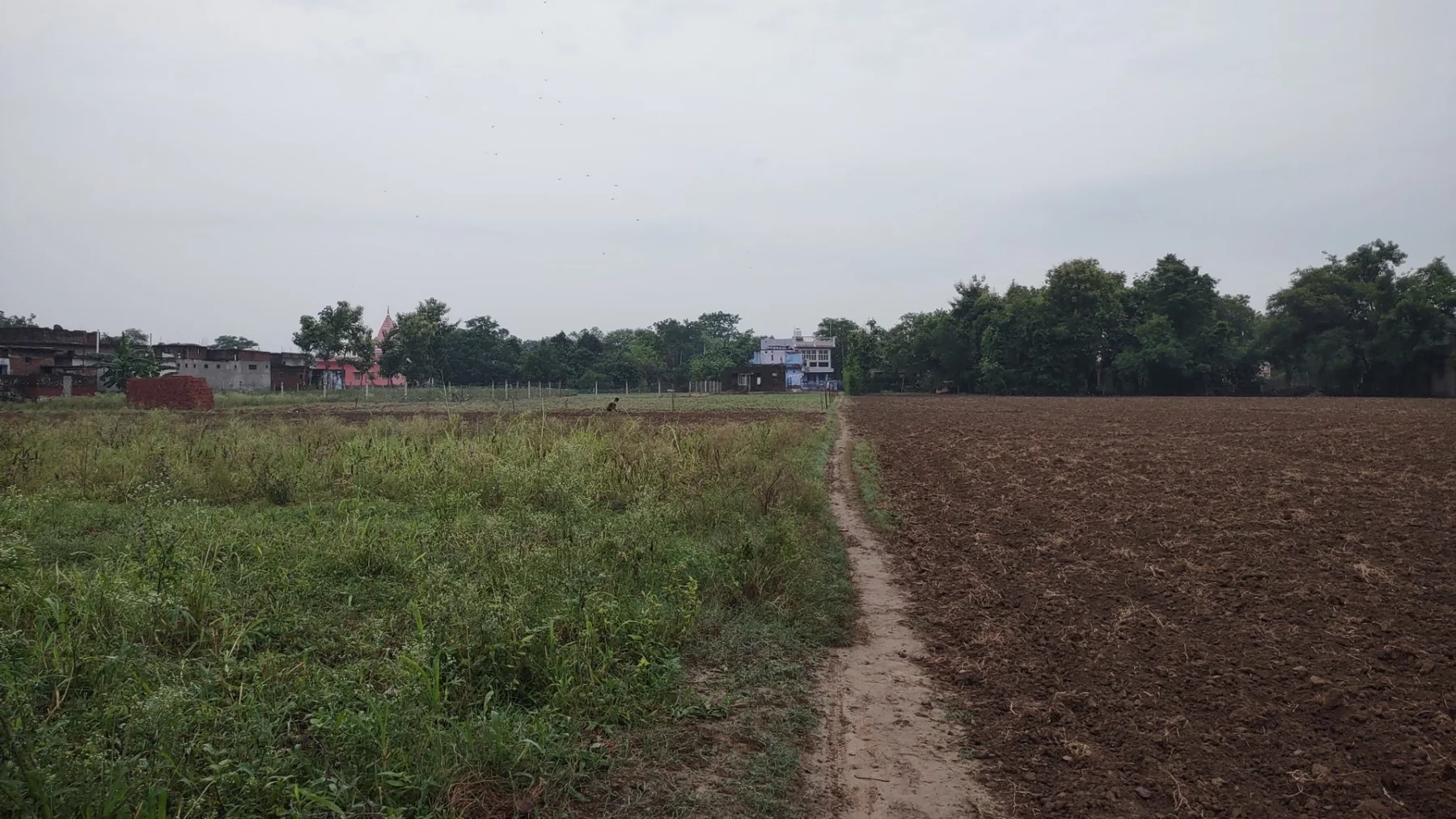
Bahuara — the village that shaped him.

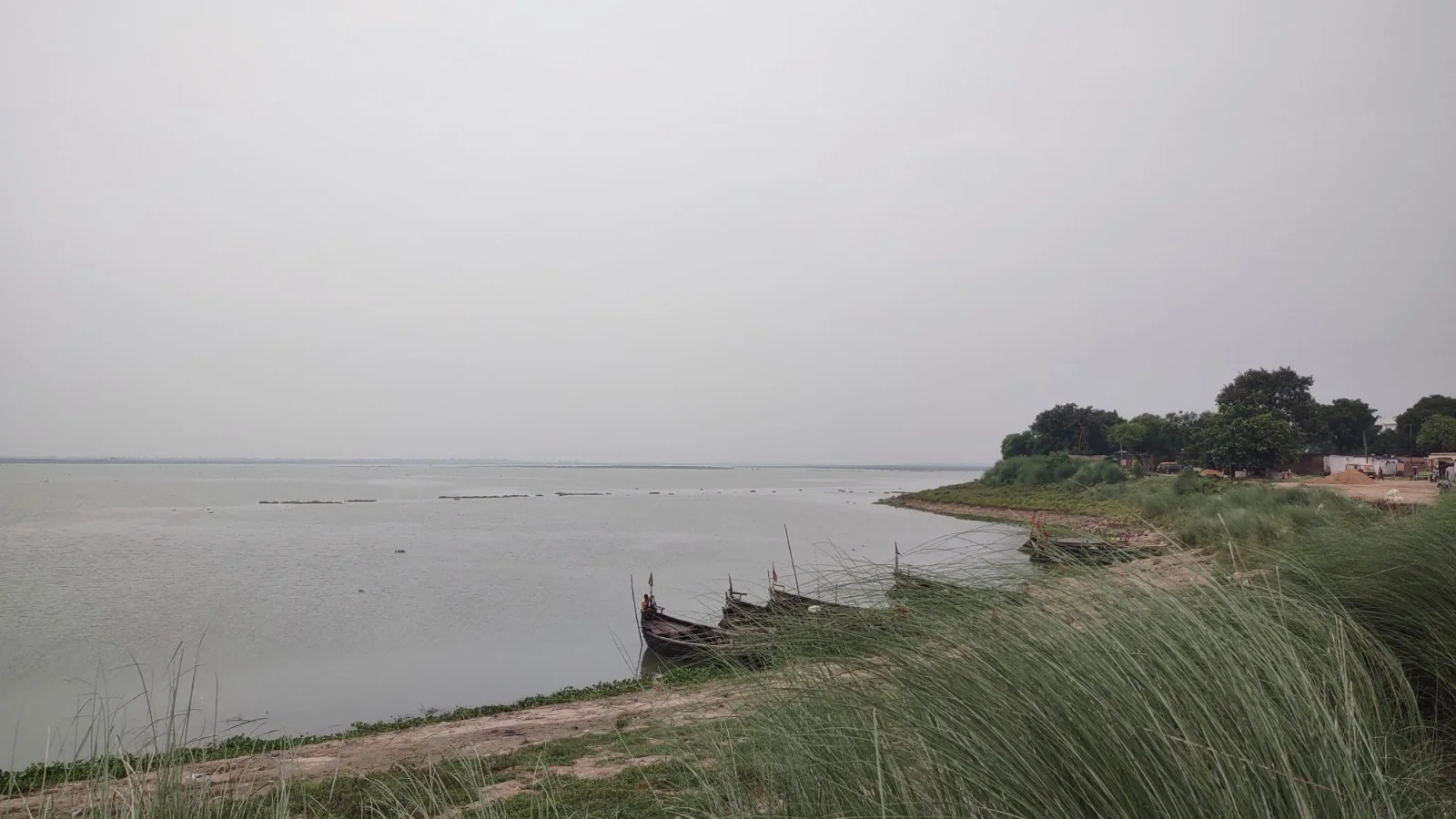
The memoir remembers a world of the Ganga and Bhagad, fields, mangoes, village schools, festivals, friendships and people whose names remained part of a lifetime of memories.

Bahuara
01

Life along the Ganga

The river, Bhagad and the journey through the landscape were part of ordinary childhood — bathing, playing, walking to school and living with the seasons.

02

Village life

Summer mangoes, sattu, weddings, songs, fields and familiar village personalities create the texture of the world in which he grew up.

03

A village that built a school

In 1946, villagers organized themselves to create a middle school in Bahuara, collecting bamboo and materials and turning community effort into opportunity.

A childhood held in memory
03 · Childhood

Badki Mai

Because his parents were in Assam, much of his early childhood was spent under the care of Badki Mai. The memoir remembers an extraordinary bond: sleeping in her lap, following her, and feeling the terror of a child when she crossed the Ganga and disappeared from sight.

These memories matter because they show the person behind the achievements — a child surrounded by affection, village life and stories.

Follow the lessons →
04 · The Pursuit of Knowledge

Education was not easy. He pursued it anyway.

The book's strongest recurring theme is determination through scarcity: long walks, simple food, limited resources, scholarships, teachers and an unwavering commitment to study.

School years

The road to school

He and other children walked long distances to school, often carrying a bag and a small supply of sattu. Flooded paths and seasonal water were simply part of the journey.

1948

Academic promise

The memoir records strong examination results and continued progress through middle school, supported by dedicated teachers.

1951

Highest marks in school

After the high-school examination, he learned that he had received the highest marks in his school.

College

Study without comfort

College life involved a small rented room, shared cooking, limited money and long routines of study. The memoir later calls those years a kind of penance.

A story worth remembering

The night the lamp caught his hair.

One of the memoir's most vivid details describes studying late at night by a lamp, falling asleep from exhaustion and waking after his hair had caught fire.

It is a small story, but it captures something larger: the extraordinary effort behind an education that later opened doors.

01
Study · Perseverance · Knowledge
05 · People Who Shaped Him

Teachers who saw possibility.

The memoir remembers teachers not simply by name, but by the opportunities and discipline they provided.

Pandit Gendalal Jha

A memorable scholarship story: when a form had been missed, the teacher quietly completed it, helping preserve an opportunity for his student.

Ramsundar Ram

Remembered as a serious, hardworking teacher who used diagrams and the blackboard and gave extra support to students from distant villages.

The teachers of Bahuara

The story repeatedly shows how education depended on a network of teachers, classmates and community effort.

06 · From Teacher to Public Service

One opportunity. One decision. A new chapter.

In 1959, while working as a teacher, he began to worry that his job might not remain secure. With the UP Civil Service Commission age limit approaching and one opportunity remaining, he decided to prepare seriously for the examination.

He appeared for the PCS examination in 1960 and was selected for the Finance and Accounts Service. In June 1962 he received his appointment and joined the Varanasi District Treasury.

1950sTeaching
1959The decision to try
1960PCS examination
1961Selection
1962Joined Treasury service
07 · History
Bahuara · 1942

A village that remembered the freedom movement.

The memoir contains childhood recollections of the atmosphere around the 1942 movement in the Ballia region: processions, the tricolour, police repression, people hiding, and stories of local revolutionaries.

This section is presented as memoir and family recollection. Historical details that the source itself says cannot be confirmed will be labeled accordingly.

1942
08 · Values

What remains after the dates are forgotten.

The website will let the stories demonstrate the values, rather than turning them into a list of slogans.

01

Perseverance

Continuing to study and move forward despite poverty, distance and limited resources.

02

Integrity

A life remembered through choices, responsibilities and a strong sense of right and wrong.

03

Knowledge

A lasting passion for mathematics, history, learning and explaining ideas to others.

04

Family

The people, stories and relationships that remain at the center of the legacy.

09 · Lessons That Stayed
Stories passed from one generation to the next

Mother's stories.

The memoir describes his mother as his first teacher. Stories told in childhood — including Hiraman Sugna and Kauwa Hakani — were not merely entertainment. They awakened compassion, moral reflection and a sensitivity to injustice.

This section can become one of the site's most intimate features: the stories that shaped the storyteller.

Visit the Hindi section
10 · The Legacy Continues

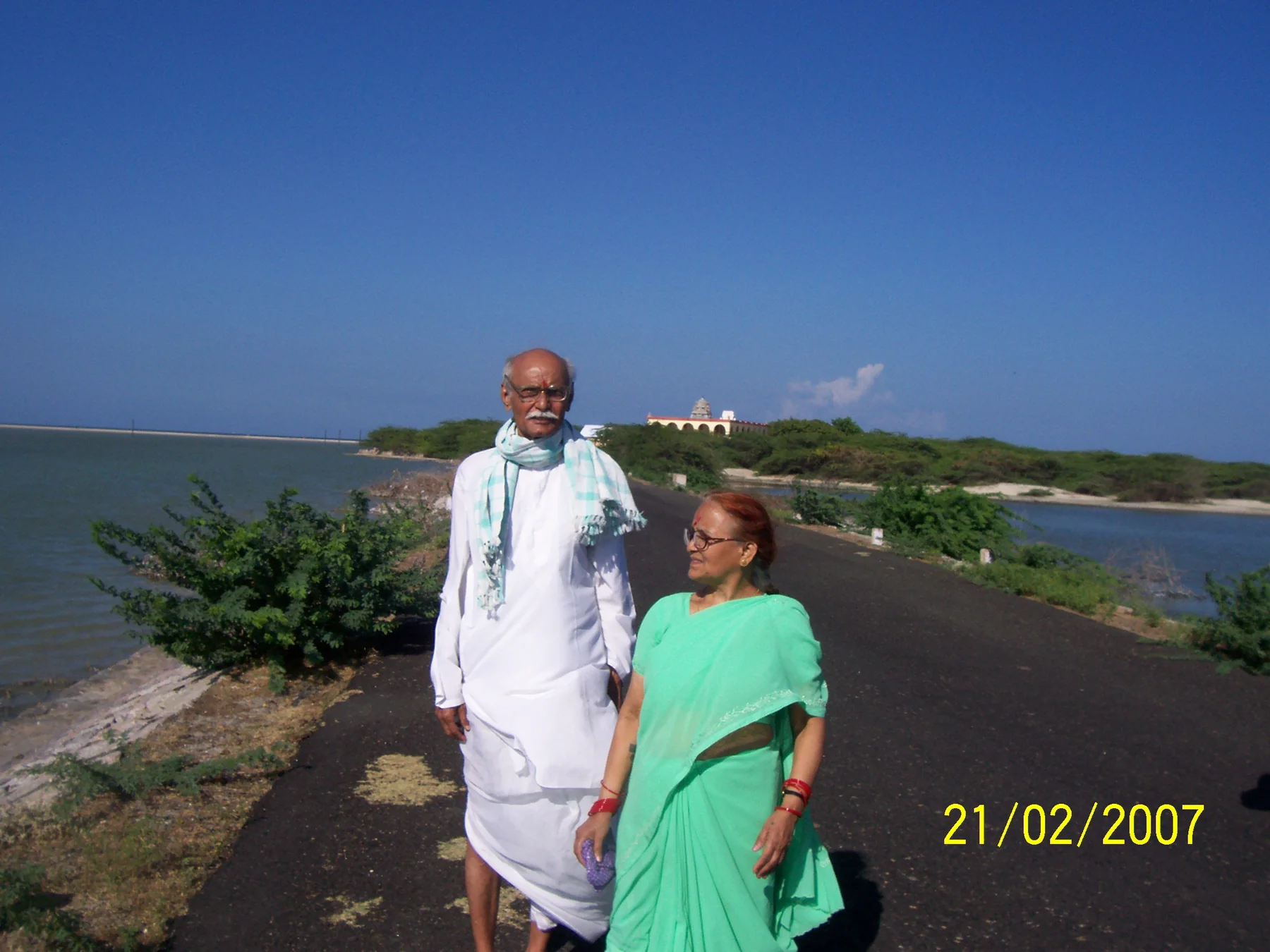
One life. Many branches. One family.

The public site tells his story. The private family archive carries it forward through children, grandchildren, great-grandchildren and future generations.

Sadhu Charan Singh
Family Branch A
Children · Grandchildren
Family Branch B
Children · Grandchildren
Family Branch C
Children · Grandchildren

For the generations ahead

The story continues.

Tomorrow's family members may never meet the people whose photographs they see here. But they can still know their stories, hear their values and understand where they came from.

Preserving the past. Inspiring the future.